How Do I choose the Design for My Home Remodel? From Farmhouse to Scandinavian
Highlight Summary
In this article, we explore how to select a compelling **Home Remodel Design** style that fits your personality, your home’s context, and your functional needs. You’ll get practical advice on comparing farmhouse, Scandinavian, modern, and hybrid styles, plus insight into 2026 design trends, material choices, and cost-effective decisions.
When you begin planning a remodel, one of the first choices is direction: what feels like “you.” A thoughtful Home Remodel Design becomes the backbone for all decisions. Your choice drives layout, finishes, lighting, and even furniture. It also helps your remodel feel cohesive instead of pieced together.
★★★★★ “We love how Borowicz Construction guided us from concept to finish — our remodel feels exactly like *us*.” – Happy Customer
Why Style Matters More Than You Think
Design style isn’t just about aesthetics. It guides spatial flow, material longevity, and resale appeal. A home with consistent style feels more intentional. It also helps your contractor, designer, and tradespeople speak the same language when choosing finishes, trim, and color palettes.
Popular Styles to Consider in 2026
In recent years, styles have converged. The distinctions between farmhouse, Scandinavian, and modern blur, producing hybrid approaches. Below are some styles and how to pick among them.
Farmhouse & Modern Farmhouse
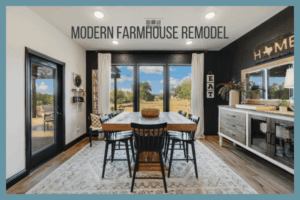
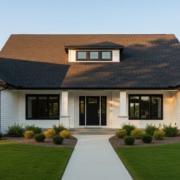
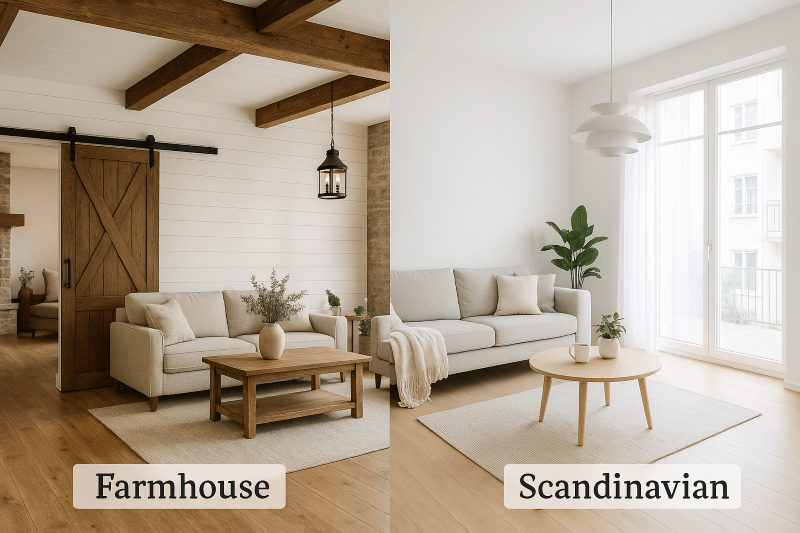
This style still resonates, especially in suburban and rural areas. White shiplap, barn doors, and natural wood elements recall agrarian roots. But in 2026, it’s evolving: clean lines, hidden appliances, and minimalist detailing are refining the rustic look. Decor Hint suggests farmhouse may fade in its pure form and yield to sleeker expressions.
If your property has farmhouse heritage or a more rural lot, a modern farmhouse direction makes sense. But blend it with simplified surfaces so it doesn’t feel dated.
Scandinavian & Scandinavian-Farmhouse Fusion
Scandinavian design emphasizes simplicity, light wood, functional layouts, and cozy elements (think hygge). HGTV explains how Scandinavian interiors balance minimalism with warmth.
The Scandinavian-farmhouse fusion is especially compelling: it softens strict minimalism with rustic warmth. American Farmhouse Style shows how this hybrid makes spaces feel both crisp and inviting.
Contemporary / Modern Minimalism
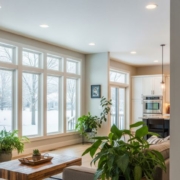
Clean surfaces, flat planes, large windows, and restrained palettes dominate here. In 2026, minimalism evolves with texture, material depth, and tone variation. Surfaces like lava stone, glazed ceramics, and layered metals bring interest without clutter.
This style appeals especially in urban contexts or homes with modern bones (steel, glass, concrete). It also pairs well with smart home systems, because it avoids visual clutter and makes technology feel invisible.
Choosing Among Styles: Practical Considerations
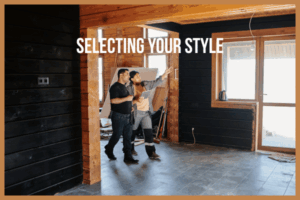
- Climate & climate durability: In Zimmernam MN, snow, freeze-thaw, and sun exposure demand durable materials. White-painted wood may need more upkeep than natural wood or fiber-cement siding.
- Existing architecture: If your house is historical or has distinctive bones, aim to respect and enhance rather than fight its inherent character.
- Lifestyle & family needs: For family homes, don’t overdo minimalism—include storage, warm finishes, zones for kids or hobbies.
- Budget & maintenance: Some materials or designs cost more upfront or demand more maintenance. Natural wood floors or custom millwork may require extra care versus engineered or durable alternatives.
- Trend versus timelessness: Incorporate trendy elements as accents rather than the backbone. A well-chosen neutral palette lets accent colors or hardware evolve. For example, Dutch Boy’s 2026 “Melodious Ivory” is a warm neutral that offers versatility across styles.
Emerging Design Ideas for 2026
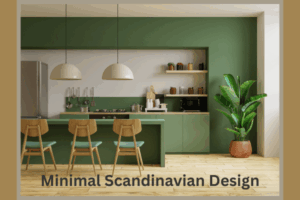
The next wave of home remodels will integrate more material experimentation and emotion-driven spaces. Some ideas to watch:
- Layered materials: Combine unexpected materials—like textured ceramic panels, concrete accents, and metal inlays—to create subtle yet striking interest.
- Earthy and muted colors: Designers are shifting away from stark white toward grounded greens, smoky jades, and warm neutrals.
- Curvature and organic forms: Soft corners, arched doorways, curved cabinetry instead of boxy modular lines.
- Multi-style layering: Combine your favorite elements—mix Scandinavian simplicity with select rustic accents or bring in an accent wall with bold texture.
- Indoor-outdoor integration: More large glass doors, covered patios that feel seamless with interiors, and continuity in finishes across thresholds.
How Borowicz Construction Helps You Choose Your Home Remodel Design
In Zimmernam MN, we walk through your property, lifestyle, and preferences. Then we sketch options—farmhouse, Scandinavian, modern, or fusion—to help you see possibilities.
We guide material selections, lighting schemes, spatial layouts, and durable selections that suit our climate.
When your plan feels like *you*, your remodel becomes joyful, not stressful.
Let us partner with you on the journey. Contact Borowicz Construction to get started.
Learn more about what we build on our Services Page.
FAQ: Home Remodel Design Questions
How do I pick a style I’ll like 10 years later?
Focus on a timeless base—neutral palette, quality materials—and use accent elements (colour, fixtures, textures) you can update over time.
Should I stick to one style throughout the home?
You can mix, but aim for thread(s) of continuity—materials, patterns, color tones—that unify rooms.
How does budget affect design style choice?
Design style influences cost: custom millwork, specialty materials, or high-end finishes cost more. A more restrained style helps manage costs.
Can I blend farmhouse and Scandinavian?
Absolutely. Scandinavian-farmhouse fusion softens stark minimalism with warmth, combining practicality and cozy elements.
When should I decide on design direction in the remodeling process?
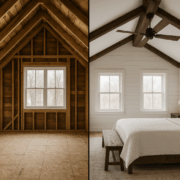
Decide early—before demolition or framing. Early design direction makes structural, lighting, and spatial decisions consistent.