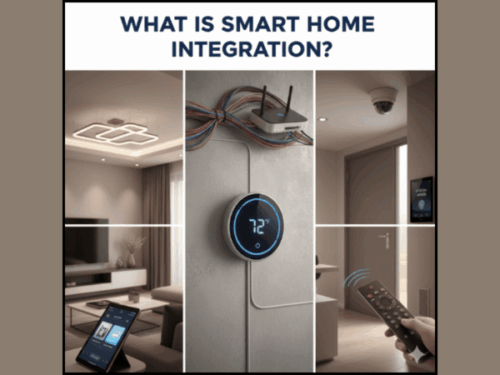
What is Smart Home Integration?
★★★★★ “Our remodel in Zimmernam turned into a home of tomorrow. Brilliant integration, seamless operation, and exceptional support.”
Highlight Summary
In this article, we define **Smart Home Integration** and dive into 2026 trends: AI automation, interoperability standards, predictive systems, wellness sensors, and cyber-resilient architectures. Learn how homeowners in Zimmernam MN can future-proof their remodels with intelligent, unified homes.
Smart home integration is no longer a niche. Remodels now include systems that talk, learn, and adapt. In 2026, that integration becomes more seamless and intelligent. For homeowners in Zimmernam MN, adopting smart integration means your home responds to you, not the other way around.
Why Smart Integration Matters in Remodels
As you remodel, wiring, layout, and infrastructure are already in flux. It’s smarter to embed smart infrastructure during renovation than retrofit later. Also, integrated smart systems can boost value, comfort, and energy performance in your home.
Key Trends in Smart Home Integration for 2026
AI-Powered Automation & Context Awareness
Homes will shift from command-driven to context-driven. AI models will analyze patterns—lighting, climate, security—to act proactively.
Expect features like:
- Lighting scenes adapting to your mood or time of day
- Thermostats that preheat or cooldown based on schedule and forecast
- Smart appliances that suggest recipes or track your inventory
- Predictive maintenance alerts for HVAC, plumbing, or appliances
Interoperability & the Rise of Matter
One major friction until now has been incompatible ecosystems. The Matter standard is becoming the backbone for device compatibility and unified control.
This means devices from different brands can communicate more transparently. You benefit from less fragmentation and simpler control metaphors across devices and rooms.
Smart Energy Management & Grid Awareness
Energy systems will get smarter, integrating local generation, load balancing, and appliance scheduling. :contentReference[oaicite:3]{index=3}
Remodels will include:
- Smart circuits that throttle noncritical loads during peak rates
- Grid-aware appliances that shift usage to off-peak windows
- Embedded solar inverters or battery systems with tie-in to home automation
AI-Enhanced Security & Predictive Analytics
Smart integration now includes security that doesn’t just react—it anticipates threats. AI systems detect anomalies, recognize faces, and respond to unusual events.
Features to expect:
- Multi-sensor fusion (sound, motion, image) to reduce false alarms
- Local edge processing to protect privacy and ensure robustness during network outages
- Smart lock protocols, biometric access, and temporary passcodes for guests
Wellness & Environmental Sensing
Homes aren’t just smart, they are alive—monitoring air, sleep, water, and rhythms. Wellness sensors play a growing role.
Remodeling plans may include:
- Indoor air monitors tied into HVAC and ventilation
- Circadian lighting that adjusts color temperature across the day
- Water quality sensors for kitchen and potable supply
Resilient, Offline, and Privacy-Focused Architectures
Expect a shift toward architectures that work even when disconnected. Offline speech processing and distributed control strengthen privacy and reduce latency.
Homes will default to local control, with cloud as backup—making your smart system more dependable.
Challenges & Considerations in Smart Integration
Though the promise is strong, effective implementation demands careful planning. Key challenges include:
- Network bandwidth and latency—smart devices need stable infrastructure
- Upfront cost vs long-term payoff—some systems need more capital investment
- Security and firmware maintenance—devices must get updates reliably
- Compatibility and vendor lock-in—use standards like Matter to mitigate risk
- User experience design—too many alerts confuse users, so automation must feel intuitive
How Borowicz Construction Embeds Smart Integration

In Zimmernam MN, we weave smart home integration into the core of the remodel. We handle conduit, wiring, hub placement, climate zoning, and integration design.
From day one, we consider how every sensor, actuator, or smart point links to a unified system.
Whether you want wellness sensing, energy optimization, or intelligent security, we deliver systems that feel invisible and intuitive.
Ready to bring smart integration into your home? Contact Borowicz Construction to talk about your next remodel.
Learn more about our offerings on our Services Page.
FAQ: Smart Home Integration in 2026
What is the expected cost of smart integration in a remodel?
Costs vary greatly by scale and devices but often run 5–15% of total remodel costs when planned holistically.
Will my smart system still work if my internet goes out?
Yes. Edge computing and offline control architecture mean essential systems keep working even without internet.
How long will smart devices last before needing replacement?
Most sensors and switches last 10+ years. Expect hubs, batteries, or modules to evolve more often.
Is it better to retrofit smart systems or install during remodel?
Installing during remodel is more cost-effective and cleaner. Conduits, wiring, and hubs are easier to place.
Which platforms or standards should I insist on?
Choose systems compatible with open standards like Matter, local control, and modular expansion.